I build with AI, and I work alongside it.
Employers rightly want to know how designers use AI. My answer: I build prompt-based apps, I use AI to create proofs of concept of designs, I use Claude and ChatGPT to enhance my work, and I'm careful about where AI earns a place in a product.
Four ways, from making to connecting.
I've built prompt-based apps for MNTN, so I know what it takes to turn a prompt into something people can actually use.
Details are available in conversation.
I use both Claude and ChatGPT to enhance my work. I'd never tell someone how to do something I couldn't do myself, so I stay hands-on with the tools.
I use AI to create proofs of concept of designs, so stakeholders can get a feel for the UX on their own. It extends how I've always worked: I'm a big fan of proof of concept.
I have deep experience building and using MCPs, the Model Context Protocol servers that let an AI assistant work with the tools and data a team already uses instead of living in a separate chat window.
Where AI belongs in a product.
AI earns its place when it removes real work, not when it's added for its own sake.
Be careful not to compromise trust or feel intrusive, especially when a product asks for people's data.
The best use is quiet: collect what can be collected automatically so people do less and get to value faster.
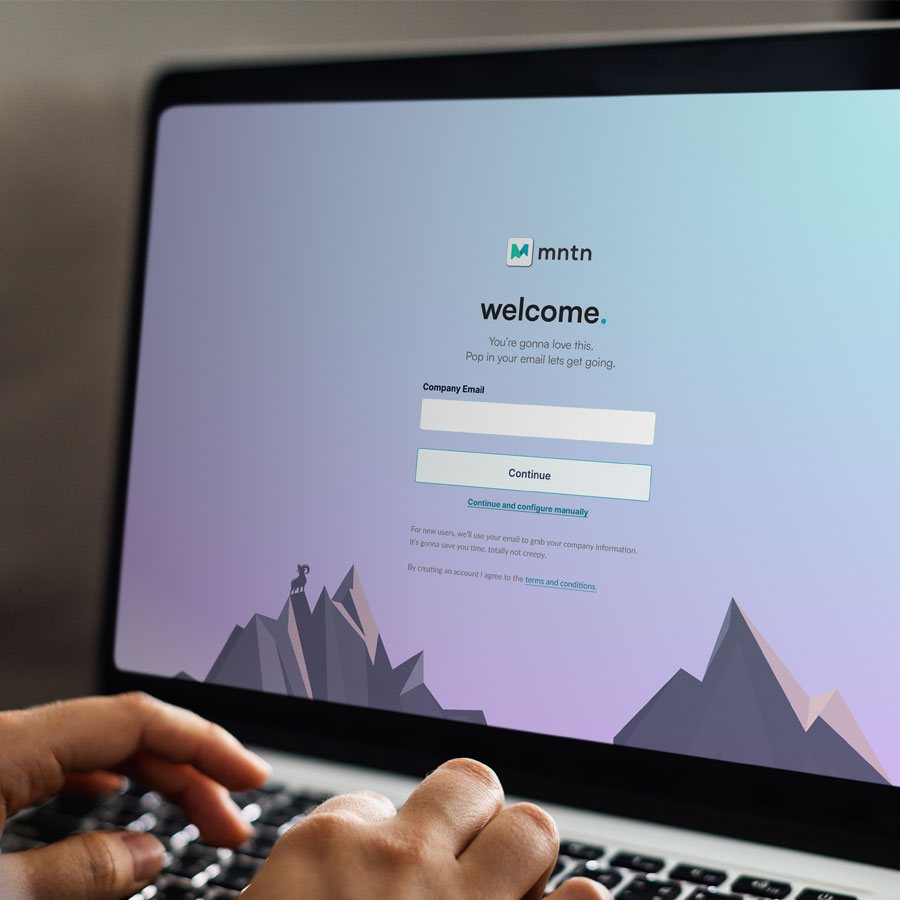
More broadly, I've led 0→1 work at MNTN that includes AI-powered features that improved campaign workflows and surfaced actionable insights. My private MNTN Select case study includes AI-assisted media planning.
Request the private case study →The design landscape keeps changing. I stay current through continuous learning and build a culture where trying new tools carefully is part of the job.